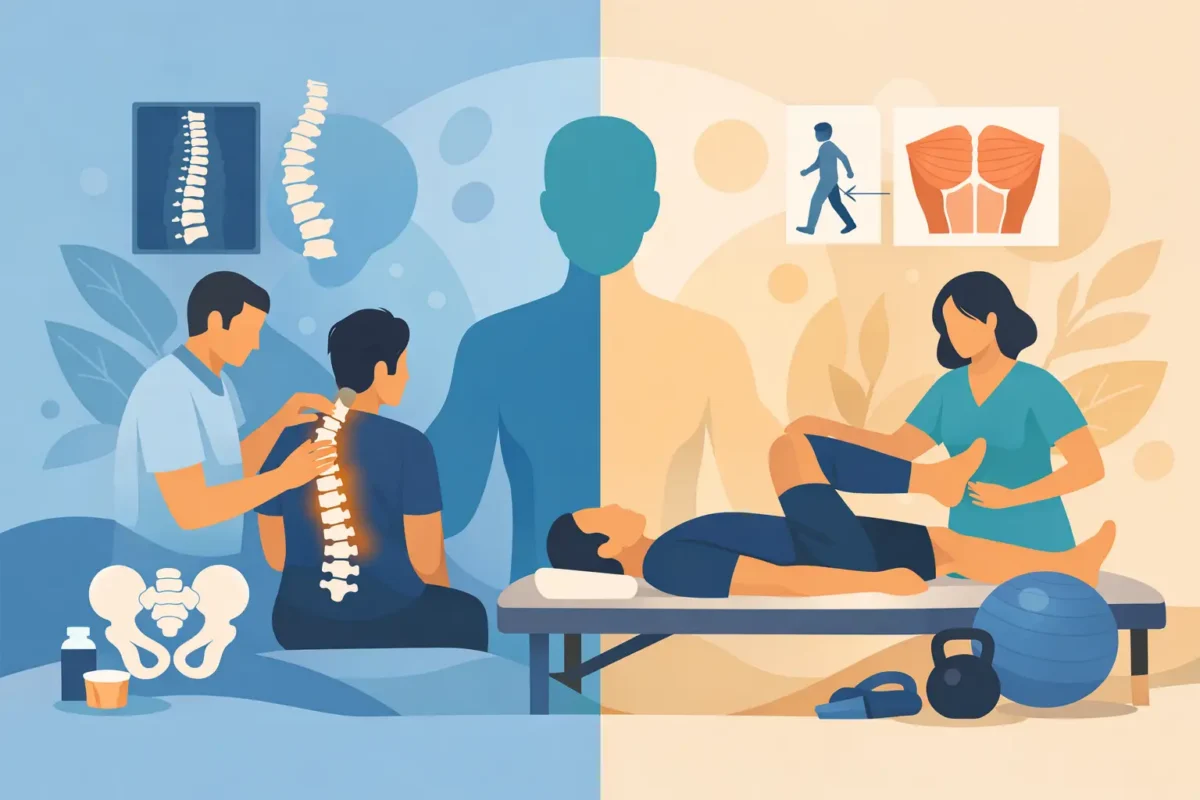
Most people do not start looking for a wellness chiropractic care plan because life feels great. They start when the warning signs get too loud to ignore – stiff neck every morning, lower back tension after workouts, headaches that keep showing up, posture that looks older than they feel, energy that never quite rebounds. The mistake is assuming those signals are random. More often, they reflect a pattern in the spine and nervous system that has been building for months or years.
That is where a real plan matters. Not a quick crack. Not symptom-chasing. Not a generic recommendation to “come in when it hurts.” A wellness-focused approach is built to restore structure, improve movement, and help your body function better over time. If you are serious about staying active, focused, and resilient, that distinction matters.
What a wellness chiropractic care plan actually means
A wellness chiropractic care plan is not maintenance for the sake of maintenance. At its best, it is a personalized strategy designed to protect the gains you have made, reduce recurring breakdowns, and support long-term function after corrective work has begun or been completed.
That matters because pain is a lagging indicator. You can lose spinal mobility, develop compensation patterns, and place stress on joints and nerves long before symptoms become obvious. By the time your body starts demanding attention, the problem is often more established than you think.
A strong care plan looks at the full picture. Spinal alignment. Posture. Range of motion. Stress load. Workout habits. Workstation habits. Recovery capacity. Past injuries. It asks a simple but powerful question: what does your body need to keep performing at a high level instead of sliding back into the same old dysfunction?
Why symptom relief is not the same as healing
A lot of conventional care is built around one goal – get the pain down fast. That has its place. If you are dealing with acute discomfort, relief matters. But if the only benchmark is whether something hurts today, you can miss the larger issue.
A neck that no longer aches is not always a neck that moves well. A back that feels better this week is not always a back that has regained proper stability and alignment. Headaches that fade temporarily are not proof that the underlying mechanical stress is gone.
This is why people often get stuck in cycles. They feel bad, get temporary relief, go back to life, then flare up again. The body was never fully restored. It was just quieted down.
A wellness plan takes a different stance. It assumes your body is capable of better function, but only if the underlying interference is addressed and the improvements are reinforced. That is a higher standard of care, and for ambitious adults, it is usually the right one.
The core elements of a wellness chiropractic care plan
The best plans are not built from guesswork. They are built from findings.
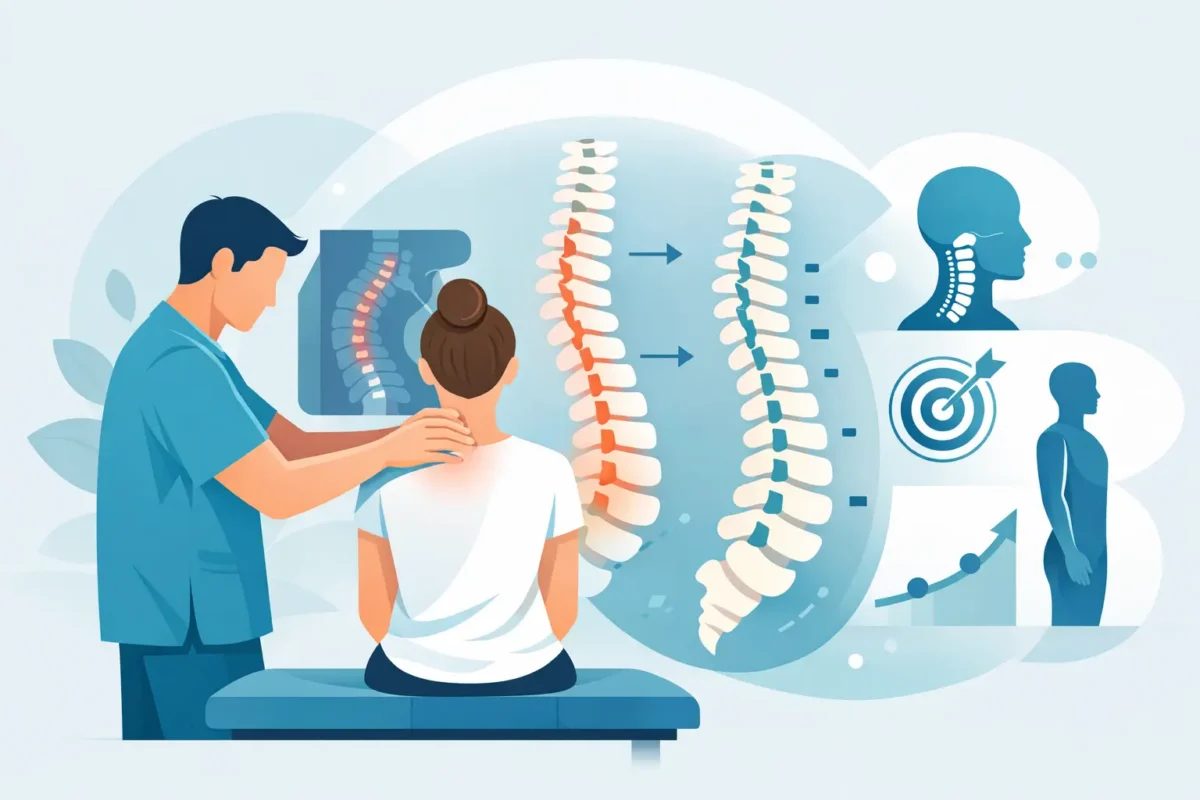
That starts with a thorough evaluation. In a corrective setting, this can include posture assessment, spinal and extremity range-of-motion testing, orthopedic and neurologic examination, and imaging when clinically appropriate. Some practices also use pre- and post-motion X-ray analysis to see how the spine behaves under movement rather than relying only on static snapshots.
Why does that matter? Because if you want measurable progress, you need a measurable baseline. Without objective data, treatment can become opinion-driven. With it, care becomes specific.
From there, the plan is individualized. Frequency depends on what is found, how long the issue has been present, your goals, your age, your stress load, and how consistently your body holds correction. Someone recovering from years of postural collapse and reduced cervical motion will not need the same plan as a healthy runner trying to protect performance and prevent setbacks.
A thoughtful plan usually includes spinal adjustments, yes, but that is only one piece. It may also emphasize posture retraining, mobility restoration, movement education, and accountability around lifestyle patterns that are reinforcing the problem. If your workday is driving your shoulders forward for ten hours at a time, no adjustment alone is going to outwork that.
Who benefits most from this kind of care
If you are the kind of person who expects more from your body than survival, this approach makes sense.
It tends to resonate with active adults, entrepreneurs, professionals, parents, and athletes who do not want their health managed in crisis mode. They want to train hard, work long days, recover well, and stay present in their lives without carrying chronic tension, recurring headaches, limited mobility, or constant low-grade fatigue.
It is also a strong fit for people who are frustrated with the standard script. Rest, medication, wait and see, repeat. That model can leave high-functioning people stuck because it treats symptoms like isolated events instead of reading them as feedback from a stressed system.
That said, a wellness plan is not magic and it is not one-size-fits-all. If you are in the middle of significant trauma, have red-flag symptoms, or need a different level of medical intervention, chiropractic care may be one part of your care team rather than the whole answer. Real expertise includes knowing the difference.
What makes one plan better than another
Not every wellness plan deserves the name.
Some are little more than prepaid visits with a healthy-sounding label. Others rely on vague promises without showing patients what is being measured, what is changing, or why the schedule is what it is. That is not premium care. That is packaging.
A high-level plan should be specific, transparent, and clinically grounded. You should understand what the doctor found, what the priorities are, what progress markers matter, and what the timeline is meant to accomplish. If imaging or motion studies are used, they should clarify the problem, not just decorate the process.
This is also where philosophy matters. If the office treats the body like a machine that only needs occasional symptom resets, the results will usually reflect that mindset. If the doctor is focused on structural correction, nervous system function, and long-term adaptability, the care plan will feel very different.
At Mōtus Chiropractic, that difference shows up in the way care is built around objective testing, structural findings, and customized corrective recommendations rather than generic adjustments. For patients in Austin who are done settling for temporary relief, that level of specificity can change the entire trajectory of their health.
What to expect as your body changes
One of the biggest misconceptions about wellness care is that progress should feel perfectly linear. It often does not.
Some people feel early relief and then realize how much dysfunction was hiding underneath. Others notice better sleep, easier movement, improved posture, or fewer headaches before their main complaint fully resolves. Sometimes the body needs time to adapt to a more normal position after holding compensation patterns for years.
This is why communication and re-evaluation matter. A good plan does not just keep you coming forever on autopilot. It checks whether your body is actually responding. It adjusts when needed. It uses outcomes, not assumptions.
Over time, the goal is not dependence. The goal is resilience. Better spinal mechanics. Better body awareness. Better movement habits. Fewer setbacks. More energy available for the parts of life that actually matter.
How to know if you are ready for a wellness model
You are ready if you are tired of reacting to pain instead of getting ahead of it.
You are ready if you know your posture has changed, your mobility has declined, or your body feels less capable than it should for your age and lifestyle. You are ready if you want proof, not platitudes. You are ready if you would rather correct a problem than keep managing its symptoms.
Most of all, you are ready if you have stopped romanticizing being functional enough. Functional enough is how people normalize tension, ignore warning signs, and slowly accept limitations that were never inevitable.
A wellness chiropractic care plan is not about chasing perfection. It is about refusing to let small dysfunctions become permanent compromises. Your spine affects how you move, how you recover, and how you show up in every part of your life. Treating it like an afterthought is expensive.
If your body has been asking for a better strategy, listen now – before the next flare-up makes the decision for you.