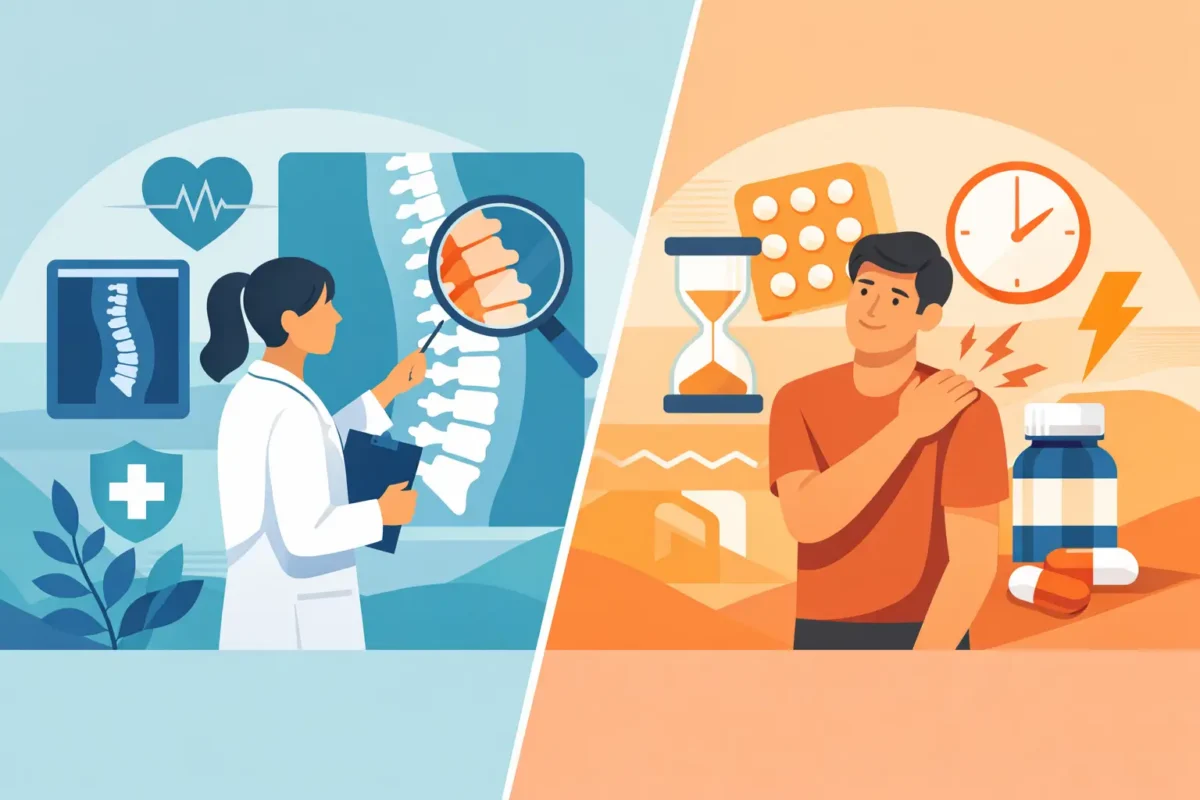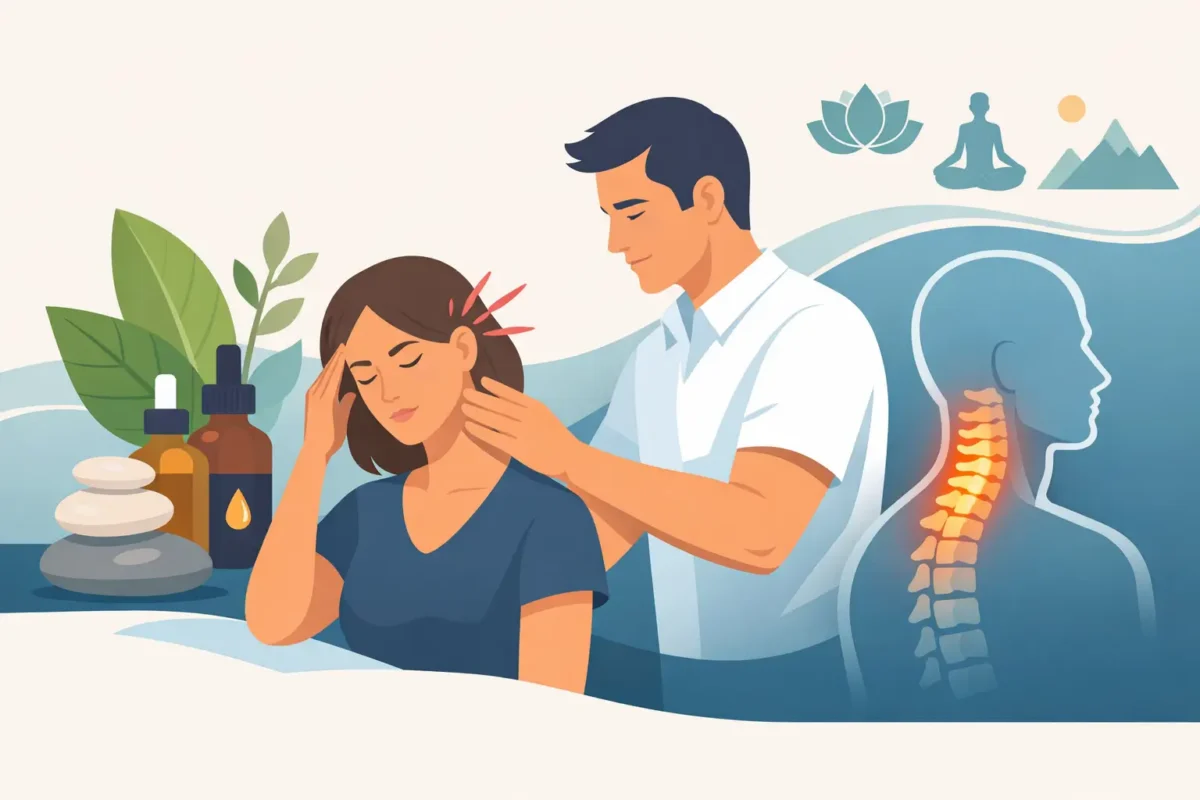
You can outwork a lot of problems. Headaches are rarely one of them. If you are searching for a natural headache relief chiropractor, chances are you have already tried the usual path – more water, less screen time, better sleep, another bottle of pain relievers – and you are still dealing with the same pressure, tension, or recurring pain.
That is the issue with symptom-chasing. It can keep you functional just enough to tolerate the problem, without ever asking why your body keeps producing it. For active adults, professionals, athletes, and high-performers, headaches are not just inconvenient. They interfere with focus, training, mood, recovery, and the capacity to show up fully in work and life.
Why headaches keep coming back
Not every headache has the same cause, and that matters. Some are linked to dehydration, hormones, food triggers, eye strain, stress, sinus congestion, or medical conditions that require a different level of care. But a large percentage of recurring headaches have a mechanical component that gets missed.
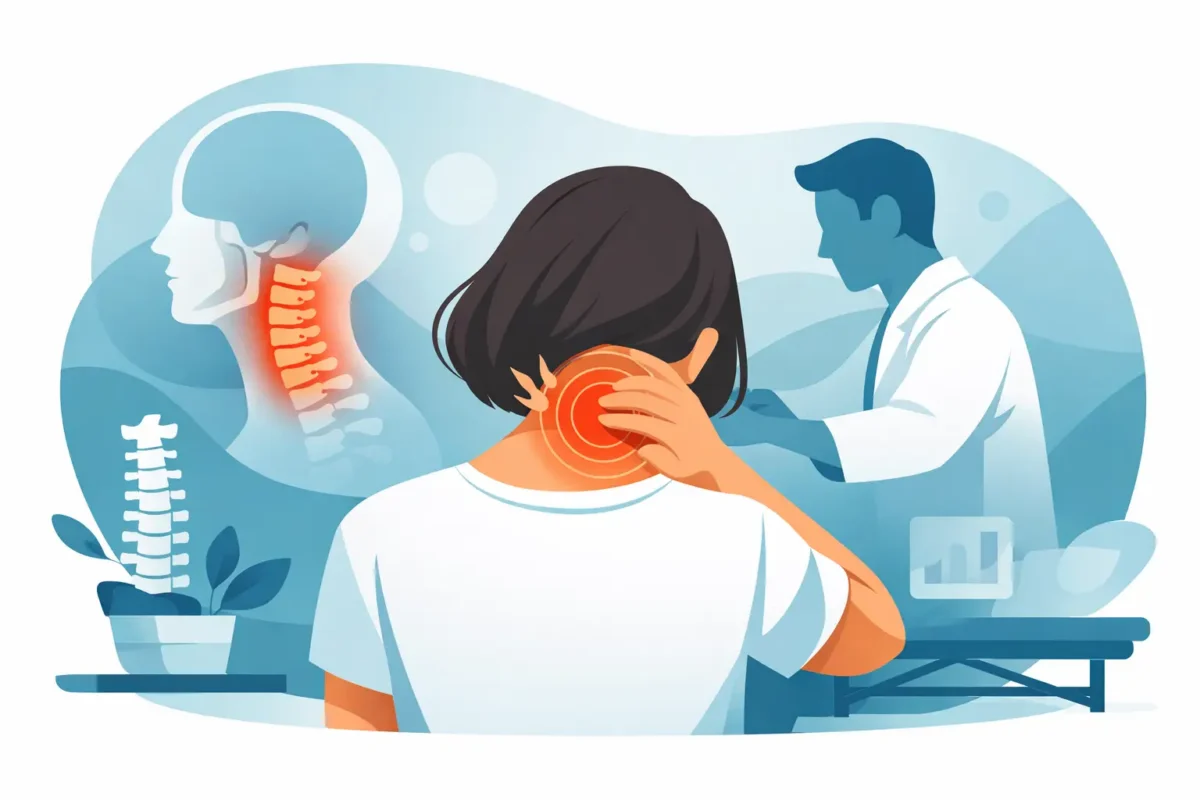
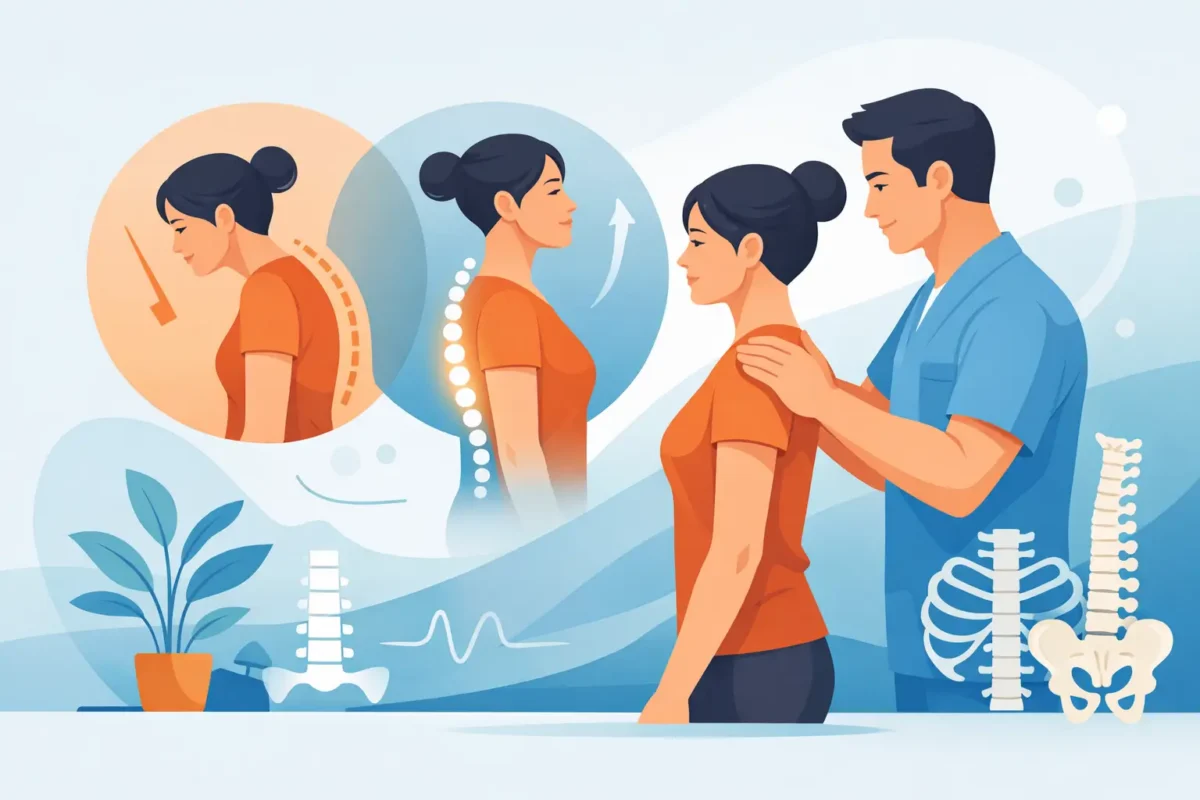
That mechanical component often lives in the neck, upper back, jaw, and posture patterns that shape how your nervous system and muscles function all day. If your head sits forward for hours, your shoulders round in, and the joints of your cervical spine stop moving well, your body starts compensating. Muscles tighten. Nerves become irritated. Circulation can be affected. The result may show up as tension headaches, cervicogenic headaches, or migraine patterns that are aggravated by neck dysfunction.
This is where conventional advice often falls short. If the structure creating the stress remains unchanged, temporary relief is exactly that – temporary.
What a natural headache relief chiropractor actually looks for
A natural headache relief chiropractor should do more than crack your neck and send you home. If the goal is lasting change, the process has to be more precise.
A proper evaluation looks at how your spine is aligned, how your neck moves, how your posture loads your body, and whether specific segments are restricted or unstable. It also considers your daily demands. A desk-bound founder, a runner training for a race, and a parent carrying kids all day can all have headaches for different biomechanical reasons.
At a corrective-care practice, the focus is not just pain intensity. It is measurable dysfunction. That may include reduced range of motion, abnormal spinal curves, subluxations, muscle imbalance, and movement patterns that keep re-irritating the same tissues. Objective testing matters because guesswork is how people end up in endless cycles of short-term relief.
For some patients, advanced motion analysis and pre- and post-motion imaging help reveal what basic symptom screening misses. If your neck is not moving the way it should, or your posture is placing chronic stress on the upper cervical spine, the body will keep paying the price.
How chiropractic care can help with headache relief naturally
The goal of natural care is simple – reduce the cause of irritation without relying on medication as the primary strategy.
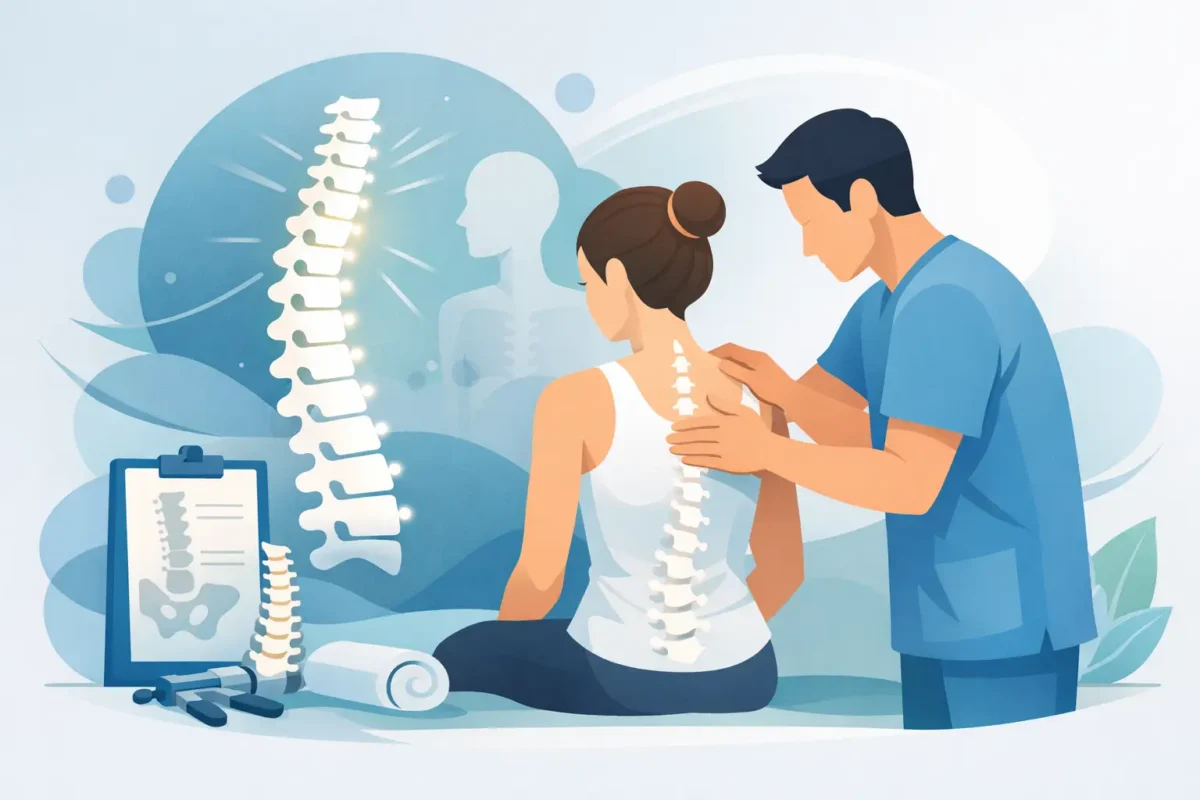
When spinal joints are not moving properly, especially in the neck and upper back, surrounding muscles often stay in a guarded state. That tension can refer pain into the base of the skull, temples, forehead, and behind the eyes. Corrective chiropractic adjustments aim to restore healthier motion and reduce the structural stress feeding that cycle.
But adjustment-only care is not always enough. That is one of the biggest distinctions patients should understand. If you get temporary relief after an adjustment but your posture, movement habits, and spinal mechanics never change, headaches can return quickly.
A more complete plan may include posture correction, mobility work, specific strengthening, ergonomic changes, and a care schedule designed around actual findings rather than generic visits. Done well, this approach can decrease frequency, reduce intensity, and improve your ability to recover without depending on pills to keep functioning.
That is what makes chiropractic appealing to people who want more from their healthcare. It supports the body’s ability to regulate and heal instead of overriding symptoms while the deeper problem stays in place.
The headaches most likely to respond to chiropractic care
Chiropractic is not a cure-all, and anyone promising that is selling fantasy. The right answer depends on what is driving your symptoms.
Headaches commonly connected to neck dysfunction and posture often respond well to corrective chiropractic care. Tension headaches are a frequent example, especially when they build after long workdays, heavy training blocks, travel, or extended time on a laptop. Cervicogenic headaches, which originate from dysfunction in the cervical spine, are another strong fit.
Some migraine sufferers also notice fewer episodes or reduced severity when spinal stress, muscle tension, and nervous-system irritation are addressed. That said, migraines are complex. For some people, chiropractic is one important piece of the solution, not the whole solution. Sleep quality, hormones, nutrition, stress load, and inflammatory triggers may still need attention.
This is where honest clinical judgment matters. A good chiropractor knows when a headache pattern appears musculoskeletal and when it requires referral or co-management.
When headache care should go deeper than symptom relief
If you have been getting headaches for months or years, the question is not just how to calm them down. The better question is what your body has been compensating for that entire time.
Recurring headaches often exist alongside other signs people dismiss as normal – neck stiffness, reduced rotation while driving, shoulder tension, jaw clenching, poor sleep, mid-back tightness, numbness, or chronic fatigue. These are not random extras. They can be part of the same pattern.
When the spine loses alignment and efficient motion, the body starts burning energy on compensation. That can affect not only comfort, but performance. You may feel less clear, less resilient, less capable of training hard or sitting through a demanding workday without paying for it later.
This is why root-cause care resonates with ambitious patients. They are not looking to merely survive the week. They want to reclaim energy, movement, and momentum.
What to expect from a better chiropractic approach
A higher level of care should feel different from the start. It should be thorough, individualized, and grounded in evidence you can understand.
That means your first visit should not revolve around a rushed adjustment and vague reassurance. You should expect a detailed conversation about your headache history, symptom patterns, stressors, lifestyle, and physical demands. You should also expect an exam that evaluates posture, spinal mechanics, range of motion, and any indicators that point toward a structural cause.
If imaging or motion testing is clinically appropriate, it can help build a plan based on facts instead of assumptions. From there, care should be customized. Some people need focused upper cervical correction. Others need broader work through the mid-back and shoulders, along with rehab strategies to support long-term change.
At Mōtus Chiropractic, this corrective model appeals to people who are done settling for generic care. They want measurable progress, clear reasoning, and a plan that respects how much their body affects every part of their life.
Natural headache relief chiropractor results depend on the right fit
The phrase natural headache relief chiropractor sounds simple, but results depend on fit. Not every chiropractor practices the same way, and not every headache is caused by spinal dysfunction.
If your headaches stem primarily from stress and poor workstation posture, structural correction and movement retraining may make a major difference. If they are linked to multiple drivers, chiropractic may still help, but as part of a broader wellness strategy. And if your symptoms include red flags like sudden severe onset, neurological changes, fever, confusion, trauma, or vision loss, you need immediate medical evaluation.
That is not a weakness of natural care. It is what responsible care looks like.
The strongest outcomes usually come when patients stop treating their body like a machine they can ignore until it breaks. Healing works better when you participate in it. That means following through with care, changing movement habits, improving posture, and respecting the signals your body has been sending for a while.
Stop normalizing headaches
A headache every now and then may be common. Common does not mean normal. It definitely does not mean you should build your life around managing pain.
If your headaches are tied to neck tension, postural stress, spinal dysfunction, or movement restrictions, a natural approach can do more than dull the pain. It can help change the conditions creating it. That is a very different standard of care.
You do not need another temporary fix that keeps you barely operational. You need a real look at what your body is compensating for, and a plan that helps you restore alignment, reduce irritation, and move through life with more clarity and less friction.
Your body is not asking to be silenced. It is asking to be understood. At Mōtus, we get to the root cause of your headaches. Reach out to our South Austin location to find out if we can help!