
THE MŌTUS BLOG
July 15, 2026
How Posture Impacts Nervous System Function
Your posture is not a cosmetic issue. It is a live input to the system that controls how you move, adapt, recover, and respond to stress. Understanding how posture impacts nervous system function changes the conversation from “stand up straight” to a more useful question: Is your body structurally positioned to communicate and perform at its best?
For ambitious adults, posture often deteriorates quietly. Long workdays, heavy training, old injuries, repetitive driving, poor sleep positions, and years of adapting around discomfort can gradually change how the head, ribs, pelvis, and spine relate to one another. You may still be productive. You may still work out. But your body may be spending far too much energy compensating. That is not a performance strategy. It is a warning sign.
Your Spine Is Part of Your Nervous System’s Infrastructure
The nervous system includes the brain, spinal cord, and an extensive network of nerves that coordinate sensation, movement, organ function, and your response to the environment. Your spine protects the spinal cord, while the joints, muscles, and connective tissues around it provide constant feedback to the brain about where your body is in space.
This feedback is called proprioception. Every time you turn your head, stabilize during a deadlift, step off a curb, or sit at your desk, your brain relies on signals from your joints and muscles to organize the next movement.
When spinal joints are moving well and the body is well aligned, that feedback can be clearer and more efficient. When posture is consistently distorted, the body may rely on compensation. Muscles become overworked, certain joints become restricted, and others may move more than they should. The brain still gets information, but the quality and consistency of that information can change.
This is why posture is about more than appearance. It is about the environment your nervous system is working within all day.
How Posture Impacts Nervous System Signals
A forward head posture is a simple example. The average human head is heavy, and when it drifts forward from its balanced position over the shoulders, the neck and upper-back muscles must work harder to hold it up. That increased demand can create persistent muscle tension, altered joint mechanics, and a growing sense of fatigue.
The same principle applies farther down the body. A rounded upper back, collapsed rib cage, uneven shoulders, or a pelvis that consistently tilts forward or back can change how you breathe, load your hips, stabilize your core, and move through your day.
Over time, these patterns can influence the nervous system in several meaningful ways:
- More threat signaling: Persistent strain, irritation, or restricted movement can contribute to protective muscle guarding and heightened sensitivity. Pain is complex and does not come from posture alone, but a body that is constantly compensating has more reasons to stay on alert.
- Less efficient movement control: If the brain receives inconsistent feedback from restricted or overloaded joints, movement may become less coordinated. You may notice stiffness, reduced range of motion, clumsiness, or a plateau in training performance.
- Higher energy cost: Holding an inefficient posture takes work. Many people describe this as feeling drained by the end of the day, even when they have not done anything unusually demanding.
- Changes in breathing patterns: A compressed chest and forward head can make it harder to use the diaphragm effectively. Shallow, upper-chest breathing may reinforce a stressed, braced state rather than supporting calm, efficient recovery.
None of this means one imperfect posture causes disease or that you need to hold yourself rigidly upright every second. The nervous system is adaptable. In fact, variety of movement is healthy. The issue is not occasionally slouching on the couch. The issue is living in one compromised pattern for years while asking your body to keep producing at a high level.
Posture, Stress, and the Fight-or-Flight Loop
Stress is not just a feeling in your mind. It has a physical expression.
When the body perceives threat, the sympathetic nervous system helps prepare you for action. Your heart rate may rise, breathing may become quicker, and muscles may tighten. That response is useful during a hard sprint, a competitive presentation, or a genuine emergency. It becomes costly when the body never fully shifts out of protection mode.
Poor posture does not automatically create chronic stress. But structural tension and emotional stress can reinforce each other. Someone under pressure may hunch over a laptop, clench their jaw, breathe shallowly, and stop moving. That posture can then perpetuate neck tension, headaches, restricted rib movement, and fatigue, making the person feel even less resilient.
The goal is not to blame posture for every symptom. The goal is to recognize the loop and interrupt it.
Corrective care, targeted movement, strength, sleep, and stress regulation can all play a role. What matters is identifying which factors are driving your pattern instead of throwing generic advice at a complex problem.
Why “Just Sit Up Straight” Is Not a Real Solution
Trying to force perfect posture through willpower usually fails. It can also create more tension if you brace your shoulders back and lock your spine into a stiff, artificial position.
Lasting postural improvement requires capacity, not constant self-correction. Your body needs enough mobility to access healthier positions, enough strength and endurance to sustain them, and enough awareness to stop defaulting to old compensation patterns.
That is why a corrective approach should look beyond the spot that hurts. Neck pain may be connected to limited upper-back motion. Low-back tightness may be influenced by hip restriction, core control, or an old ankle injury that changed the way you walk. Recurring headaches may warrant a careful look at cervical motion, work setup, jaw tension, sleep, hydration, and appropriate medical evaluation when indicated.
A quick adjustment can feel helpful for some people, but symptom relief alone is not the same as structural change. Stop settling for care that only chases the loudest complaint. If the pattern keeps returning, the underlying mechanics deserve attention.
What a Measurable Posture Assessment Should Include
Posture should not be judged by a quick glance and a vague instruction to pull your shoulders back. A useful assessment considers how your body moves, not just how it looks while standing still.
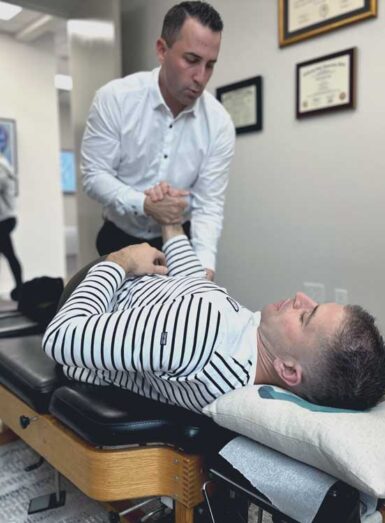
At Mōtus Chiropractic, corrective care is built around objective findings and individualized plans. Depending on the person, that may include range-of-motion testing, spinal motion analysis, postural evaluation, and pre- and post-motion X-ray studies when clinically appropriate. These tools help identify mobility restrictions, alignment changes, and compensations that may not be obvious from symptoms alone.
The value of this approach is clarity. Instead of guessing why your neck keeps tightening after workouts or why your low back flares after long meetings, you can establish a baseline and track meaningful change over time.
Not every postural asymmetry needs aggressive intervention. Bodies are not perfectly symmetrical, and imaging is not necessary for everyone. But when pain, limited mobility, recurring headaches, numbness, weakness, balance changes, or a decline in function is present, a thorough evaluation can help determine the next right step. Sudden severe symptoms, significant trauma, bowel or bladder changes, or progressive weakness require prompt medical attention.
Build a Nervous System That Can Adapt
Better posture is not a pose. It is the visible result of a body that can move, stabilize, breathe, and recover with less compensation.
Start by changing positions more often. A perfect ergonomic workstation cannot offset ten motionless hours. Walk between calls, vary your sitting position, use your full range of motion during the day, and train strength through controlled movement rather than chasing intensity at all costs.
Then address the pattern beneath the pattern. If your thoracic spine is stiff, your hips are restricted, or your cervical spine has lost healthy motion, random stretches may provide a temporary release without changing the cause. A personalized corrective plan can combine spinal care, mobility work, posture retraining, and progressive strength in a way that matches your actual findings and goals.
Your nervous system is built to adapt, but it needs accurate input and adequate capacity to do it well. Give it both. The next time you notice your shoulders creeping forward, your jaw tightening, or your energy collapsing mid-afternoon, treat it as useful feedback - not something to ignore until it becomes pain. Reach out to learn more about your posture with a unique motion study X-ray analysis at Mōtus Chiropractic.
Mōtus Chiropractic is a top-rated chiropractor located in Austin, TX. Dr. Mike Isseks offers more than 15 years experience helping his patients alleviate pain and Move Consciously. To schedule a visit, click here.
RECLAIM YOUR LIFE
Rebuild your body and reduce your pain with our progressive technology, proven alternative methods of care, and integrative chiropractic experience.

“Dr. Mike improved the mobility of my spine measurably. The whole team is incredibly flexible and helpful to work with. Everything is fast and easy.”

Author, biohacker, and founder of Bulletproof Nutrition

“Dr. Mike and the team at Mōtus are top notch. The adjustments are specific and the analysis is beyond thorough. If you’re in Austin, this is the spot for high-level Chiropractic care.”
– Adrian Grenier
Actor and Film Producer

ABOUT DR. MIKE ISSEKS
Dr. Mike has been a practicing chiropractor for more than 15 years. He is a graduate of California State University at Chico and received his Doctor of Chiropractic degree from Life Chiropractic College West. He specializes in corrective care chiropractic, improving posture, as well as optimizing spinal motion to help uncover the best version of those he serves.
STAY IN THE KNOW
Get cutting-edge health tips, updates, and event notifications...
By entering your email above and clicking “Sign-Up,” you agree to receive occasional emails from Mōtus Chiropractic.
VISIT US
Trio at Menchaca Business Park
Ample free parking in the front lot
HOURS
Monday, Tuesday, Thursday
8:30 am – 12 pm
2:30 pm – 6 pm
Wednesday
12 pm – 5 pm
REACH US
(512) 777-2680
hello@motusatx.com
STAY IN THE KNOW
Get cutting-edge health tips, updates, and event notifications...
By entering your email above and clicking “Sign-Up,” you agree to receive occasional emails from Mōtus Chiropractic.
Copyright 2022, Mōtus Chiropractic. All rights reserved.