
Categories
Uncategorized

Root Cause Back Pain Relief That Lasts

Back pain that keeps coming back is rarely random. If you stretch it, ice it, rest for a few days, and then it flares up again when you sit too long, train hard, travel, or simply wake up wrong, your body is telling you something clear – the real problem has not been corrected. Root cause back pain relief means stopping the cycle at its source instead of managing symptoms on repeat.

That distinction matters more than most people realize. Plenty of smart, disciplined adults can push through discomfort for months or years. They can still work, still exercise, still perform. But under the surface, restricted spinal motion, postural distortion, compensation patterns, and nervous system stress keep stacking. Pain is just the alarm. The deeper issue is the structure and function that produced it.


What root cause back pain relief actually means


Most back pain conversations are built around one question: how do I make this hurt less right now? That question makes sense when you’re miserable. But if your goal is long-term healing, it is incomplete.

Root cause back pain relief asks a better question: why is your back under stress in the first place? Sometimes the answer is obvious, like an old lifting injury or years of desk posture. Often, it is more layered. A pelvis that has shifted out of balance can overload one side of the low back. A lack of thoracic mobility can force the lumbar spine to do work it was never designed to do. Old injuries, repetitive movement, poor recovery, weak movement patterns, and spinal misalignment can all contribute.

This is why temporary relief can be misleading. You may feel better after rest, massage, or medication, but if joint restriction, disc stress, muscle guarding, and postural collapse are still present, the body returns to the same pattern. The pain comes back because the mechanics never changed.


Why symptom-based care often falls short


A lot of conventional back pain care is built for speed, not depth. You get a quick label, a few generic recommendations, maybe a prescription, and a plan to wait and see. That may be enough for a mild, short-lived issue. But it is not the standard ambitious, active adults should settle for when the problem keeps interfering with training, work, sleep, and quality of life.

Painkillers can reduce your perception of pain. Anti-inflammatories can calm irritation. Rest may quiet a flare-up. None of those steps automatically restore spinal alignment, improve joint motion, retrain posture, or correct the compensation patterns driving repeated strain.

There is also a trade-off people rarely talk about. Symptom relief without structural correction can create false confidence. You feel good enough to return to workouts, long workdays, or travel, but the underlying dysfunction is still there. So you load the same weak link again. That is when back pain becomes a frustrating cycle instead of a one-time event.


The real drivers behind recurring back pain


Back pain is not always caused by one dramatic injury. More often, it builds through accumulation.

Poor posture is a major factor, especially for professionals who spend hours sitting, driving, or working on screens. When the spine loses its ideal curves and the body adapts to forward head posture, rounded shoulders, or a tilted pelvis, force stops distributing well. Certain joints compress. Certain muscles overwork. Others shut down. Over time, the low back pays for it.

Restricted motion is another common issue. If one segment of the spine is not moving properly, nearby segments often become hypermobile to compensate. That may not hurt immediately. Eventually, though, unstable movement creates wear, irritation, and chronic tension.

Then there is the nervous system component. Your spine is not just a stack of bones. It protects the central communication system that coordinates movement, stability, and recovery. When spinal dysfunction interferes with healthy biomechanics and nervous system function, your body can stay stuck in protective patterns. Muscles tighten. Breathing changes. Recovery slows. Pain becomes easier to trigger.

This is where root-cause care stands apart. It does not treat the back like an isolated sore spot. It looks at the full chain of structure, motion, and adaptation.


Root cause back pain relief starts with better diagnostics


If you want a different outcome, you need better data. Guesswork is cheap. Precision changes lives.

A true corrective approach begins with understanding exactly how your spine is functioning, where movement is restricted, how posture has adapted, and what kind of structural stress is present. That often requires more than a brief exam. It may include range-of-motion testing, postural assessment, orthopedic and neurologic evaluation, and imaging that shows what the body is doing before and after care.

This matters because not all back pain is the same, even when symptoms sound similar. Two people can both say, “My low back hurts when I stand up,” yet one may have a disc-related pattern, while the other has joint fixation, pelvic imbalance, or compensatory tension from above or below the painful area. Treating them the same way is not personalized care. It is a shortcut.

At a practice like Mōtus Chiropractic, the emphasis is on measurable findings, not vague assumptions. That is a smarter standard for people who want proof, not promises.


What effective care should actually aim to change


If your goal is lasting relief, the plan cannot stop at pain reduction. It has to improve the conditions that created the pain.

That means restoring healthier spinal alignment where possible. It means improving segmental motion so your body does not keep forcing compensation. It means correcting posture that is reinforcing stress every day. It also means helping muscles and movement patterns support the new structure instead of dragging you back into the same breakdown.

This is why generic adjustments or occasional feel-good treatments are often not enough. They may help temporarily, but if care is not tailored to your specific dysfunction and followed by a corrective strategy, progress can plateau.

The right plan usually includes phases. In the beginning, the priority may be reducing irritation and restoring motion. Then the focus shifts toward stabilizing improvements, retraining posture, and creating more resilient movement. For some people, especially those with long-standing issues, that process takes consistency. Fast relief is great when it happens, but real correction usually rewards commitment.


The people who benefit most from a corrective approach


If you are active, driven, and used to pushing through problems, you are exactly the kind of person who can overlook the warning signs too long.

Maybe your back only tightens after deadlifts, long meetings, or carrying your kids. Maybe it is not constant pain, but a persistent limitation that keeps you from training the way you want. Maybe you have headaches, hip tightness, or reduced mobility that seem unrelated but keep showing up alongside back discomfort.

Those are not small issues to ignore. They are often clues.

Root cause back pain relief is especially valuable for people who are tired of piecing themselves together with temporary fixes. If you want to keep performing at a high level, your spine cannot be an afterthought. It needs to move well, support proper posture, and function efficiently under real-life demands.

That does not mean every case is simple or every outcome is identical. Some people improve quickly once the primary dysfunction is addressed. Others need a longer rebuild because the pattern has been present for years. Age, injury history, work demands, training volume, sleep, stress, and consistency all affect the pace of healing. But the principle stays the same: when you address the source, you give your body a real chance to change.


Stop chasing relief and start building resilience


There is a mindset shift here, and it matters. If you only ask, “How do I get through this flare-up?” you stay trapped in short-term thinking. If you ask, “What has my body been compensating for, and how do I correct it?” you start moving toward real recovery.

That is a more demanding path. It asks for accountability, better evaluation, and a willingness to follow a plan. But it also respects your goals. You are not trying to survive the day with less pain. You are trying to reclaim energy, movement, strength, and confidence in your body.

Back pain does not deserve to become your baseline. If it keeps returning, listen to the pattern. Your body is asking for more than symptom management. It is asking for correction, clarity, and care that matches the level of life you want to live.

The best time to address the cause is before the next flare-up forces the issue.
Categories
Uncategorized

Chiropractic Motion X-Ray Assessment Explained

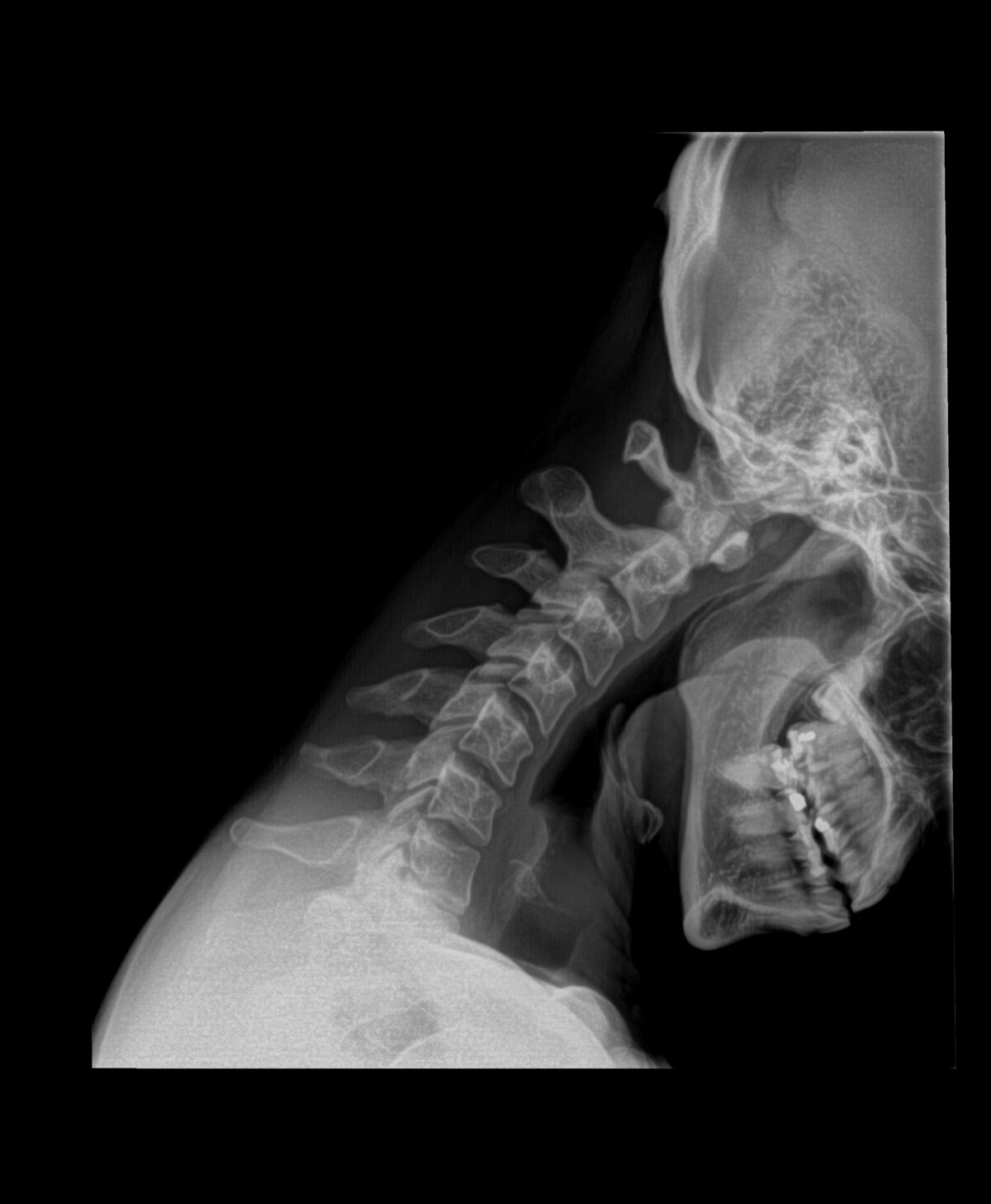
If you have been told your pain is just stress, age, or something you need to manage, a chiropractic motion X-ray assessment can be a turning point. For people who want more than temporary relief, imaging is not about chasing symptoms. It is about seeing the structure behind the struggle so care can be precise, measurable, and built for long-term change.

That matters if you are active, ambitious, and tired of guessing. A stiff neck, recurring headaches, low back tension, reduced mobility, or postural collapse rarely show up out of nowhere. Your body leaves clues. The right assessment helps uncover them.


What is the purpose of a chiropractic motion study X-ray?


At a high level, this assessment helps a chiropractor evaluate spinal alignment, joint spacing, spinal motion, curvature changes, and structural stress patterns that may be affecting movement and nervous system function. It gives a clearer picture of what is happening beneath the surface.

But the real value goes deeper than a picture. In corrective chiropractic care, imaging helps answer questions that a quick exam alone cannot fully resolve. Is the spine losing its normal curve? Is there rotational misalignment? Are certain segments restricted, unstable, or compensating for stress elsewhere? Is posture driving the problem, or is the problem driving posture?

Those answers shape the plan.

If you want customized care, you need objective information. Generic adjustments based only on where it hurts may feel good in the moment, but they often miss the underlying pattern. That is one reason many people bounce from provider to provider without real progress.


Why does “symptom-based” care fall short?


Mainstream pain care often focuses on management. You feel pain, so the goal becomes reducing pain as quickly as possible. Sometimes that means medication. Sometimes it means passive therapies. Sometimes it means a standard treatment protocol applied to nearly everyone.

The problem is simple. Pain is not always the full story.

You can have significant structural stress with mild symptoms, and you can have intense symptoms with a cause that has been building for years. By the time your body starts demanding attention, compensation patterns are often already established. Muscles tighten to protect instability. Mobility drops to avoid irritation. Posture shifts to keep you functional. Performance suffers even if you keep pushing through.

A chiropractic motion X-ray assessment helps separate short-term discomfort from longer-term dysfunction. That distinction matters because the care strategy for each is different.


What do chiropractors look for on imaging?


A useful assessment is not about taking X-rays for the sake of it. It is about reading them with purpose.

A chiropractor may evaluate spinal curves, vertebral alignment, disc spacing, degenerative changes, pelvic balance, and signs of chronic compensation. In some practices, like Mōtus, imaging is paired with range-of-motion testing and pre- and post-motion studies to show how the spine behaves under movement, not just at rest.

That last point is powerful. A spine can look one way standing still and perform very differently in motion. If your goal is to move better, train harder, sit longer without paying for it later, or simply wake up without stiffness, movement-based findings matter.

This is where a corrective approach stands apart. Instead of asking only, “Where does it hurt?” the better question is, “What pattern is keeping your body from functioning the way it should?”


When does this type of assessment make sense?


Not every person needs imaging on day one. That is the honest answer.

It depends on your history, symptoms, exam findings, prior injuries, posture, and care goals. If you have trauma history, recurrent flare-ups, limited progress with previous treatment, noticeable postural distortion, chronic headaches, reduced spinal mobility, or long-standing neck and back issues, imaging can be especially valuable.

It can also make sense for high-performing adults who are not in crisis but know their body is not operating at its best. Maybe your workouts feel uneven. Maybe your desk posture is wrecking your energy. Maybe you are tired of stretching the same tight spots with no lasting change. If the goal is optimization rather than crisis management, objective assessment becomes even more useful.

At Mōtus Chiropractic, that philosophy is central. Stop settling for vague answers when your body is clearly asking for a more complete evaluation.


What happens during the assessment process?


A strong assessment starts before the X-ray. First comes a conversation about your health history, current symptoms, lifestyle demands, injury patterns, and goals. This is not filler. It helps connect structural findings to real-world function.

Then comes a focused physical exam. That may include posture analysis, spinal palpation, orthopedic and neurological testing, and range-of-motion evaluation. If imaging is clinically appropriate, X-rays are taken to document alignment and structural changes.

In a more advanced corrective setting, those images are not viewed in isolation. They are interpreted alongside movement findings, postural distortions, and your daily load – work stress, training volume, recovery habits, old injuries, and repetitive patterns.

That is how a plan becomes personalized instead of generic.


Will the patient get objective proof by the end of the program?


There is a psychological shift that happens when people see what is actually going on. A lot of patients have spent years being told nothing is wrong, or that their only option is to manage symptoms and slow down.

Objective imaging changes the conversation. It validates what you are feeling. It also creates a baseline.

That baseline matters because healing should be measurable. If your spine starts in a compromised position, your corrective plan should aim to improve that position over time. If movement studies show restricted motion or instability, follow-up assessment should show progress. Real care should not depend on guesswork or blind faith.

For self-directed adults, that level of clarity is often motivating. You are not just hoping to feel better. You are tracking structural and functional change.


Trade-offs and limitations to understand


An x ray chiropractic assessment is valuable, but it is not magic. It does not show everything.

X-rays are excellent for evaluating bone structure, alignment, spacing, and certain patterns of degeneration or instability. They are not the best tool for visualizing soft tissues such as muscles, discs in full detail, ligaments, or nerves. In some cases, another type of imaging may be more appropriate depending on the presentation.

There is also the question of necessity. High-quality chiropractic care should be thoughtful, not automatic. Imaging should be used when it helps clarify the case, improve safety, or sharpen the treatment strategy. It should not be used as a sales tactic or a shortcut around clinical judgment.

That is why provider philosophy matters. You want a chiropractor who uses imaging with precision and purpose, then explains findings in plain English so you understand what they mean for your body.


How the findings shape corrective care


This is where the assessment becomes transformative.

Once structural patterns are identified, care can be built around them. That may include specific chiropractic adjustments, posture retraining, targeted mobility work, spinal remodeling strategies, and recommendations that support nervous system function and long-term stability.

The point is not to chase pain from visit to visit. The point is to correct the pattern that keeps recreating pain.

If your neck curve is compromised, that changes how you sit, train, sleep, and respond to stress. If your pelvis is unbalanced, your low back and hips may be compensating every day. If motion testing shows one region is locked up while another is overworking, your body is burning energy just to maintain basic function.

When those patterns improve, people often notice more than pain relief. They report better posture, easier breathing, fewer headaches, smoother movement, improved focus, and more resilience under daily stress. That is the difference between symptom relief and system-level change.


Why this matters for ambitious adults


If you ask a lot from your body, you cannot afford low-resolution healthcare. Quick fixes are tempting, especially when life is busy. But if your goal is to stay active, perform well, age powerfully, and lead without being limited by your spine, the standard should be higher.

A chiropractic X-ray assessment gives you data. More importantly, it gives direction. It helps define whether your problem is acute, chronic, structural, movement-based, or some combination of all four. That clarity lets you make smarter decisions about care.

You do not need to wait until things get worse to take your health seriously. You can choose a more exact path now. You can ask better questions, demand better answers, and pursue care built around root causes instead of recurring patches.

Your body is not asking for another temporary fix. It is asking for alignment, strategy, and follow-through.