
THE MŌTUS BLOG
June 8, 2026
Corrective Chiropractic vs Traditional Chiropractic
You can get adjusted, feel better for a day or two, and still keep living inside the same pattern that created the problem. That is the real tension in corrective chiropractic vs traditional chiropractic. One approach often centers on temporary relief. The other asks a harder, more rewarding question: why is your spine and nervous system under stress in the first place?
If you are active, driven, and tired of bouncing between flare-ups, this distinction matters. Not every chiropractic experience is designed to create the same outcome. Some care models are built to calm pain. Others are built to change structure, restore motion, improve posture, and help your body hold that progress over time.
Corrective chiropractic vs traditional chiropractic: the core difference
Traditional chiropractic is commonly associated with symptom-based care. A patient has neck pain, back pain, headaches, or stiffness, comes in for an adjustment, and the immediate goal is to reduce discomfort and improve short-term function. That can be valuable. When someone is in pain, relief matters.
Corrective chiropractic takes a different view. Instead of stopping at symptom reduction, it focuses on identifying and correcting underlying mechanical and neurological stress patterns. That may include spinal misalignment, restricted joint motion, postural distortion, compensation patterns, and chronic movement dysfunction. The goal is not just to feel better after an adjustment. The goal is to create measurable structural change so the body performs better and breaks the cycle of recurring issues.
That difference in philosophy shapes everything else - the exam, the imaging, the treatment plan, the timeline, and the expectations.
What traditional chiropractic usually looks like
In many settings, traditional chiropractic is more reactive than proactive. You hurt, so you schedule a visit. You feel tight again, so you return. The care can be useful for acute pain, stress-related tension, travel stiffness, or a flare after a hard workout. For some people, that is enough.
The limitation is that relief does not always equal correction. A joint can move better today and still return to the same dysfunctional position tomorrow if the broader pattern has not changed. If your posture is collapsing over a laptop, your pelvis is unstable, your neck curve is compromised, or your thoracic spine barely moves, a quick adjustment may not create lasting change by itself.
This is where many frustrated patients get stuck. They start to believe their body is fragile or that they simply need endless maintenance forever. In reality, they may never have been placed on a true corrective path.
What corrective chiropractic is designed to do
Corrective chiropractic is not a fancier version of the same visit. It is a different clinical model. It starts with the assumption that recurring symptoms usually have a structural and functional cause that can be measured, tracked, and addressed.
That means a more detailed assessment. Instead of relying only on where it hurts, corrective care looks at how your spine moves, how your posture loads your joints, how your nervous system is adapting, and whether there are clear areas of instability or restriction. Objective findings matter here because real correction should be visible in more than your pain score.
This is why practices focused on corrective care often use tools like range-of-motion analysis, posture evaluation, and pre- and post-motion X-rays when clinically appropriate. Those findings help build a customized plan rather than a generic series of adjustments. At Mōtus Chiropractic, that philosophy is central: identify the root problem, measure it, correct it, and help the patient understand how to sustain the result.
The biggest difference is the goal
Traditional care often asks, "How do we get you feeling better?" Corrective care asks, "How do we get your body functioning better so you stop needing crisis care?"
That shift is bigger than it sounds. Pain is a lagging indicator. By the time you feel it, dysfunction may have been building for months or years. Poor posture, repetitive stress, old injuries, training imbalances, sedentary work, and compensation patterns can all distort spinal mechanics long before pain becomes loud enough to demand attention.
Corrective care treats that reality seriously. It aims to improve alignment, restore more normal motion, reduce abnormal stress on discs and joints, and support healthier nerve communication. When that happens, patients often notice changes beyond pain relief. They move with less restriction, recover better, stand taller, breathe easier, and feel more resilient in work and training.
Does one approach work better than the other?
It depends on what you need.
If you tweaked your low back picking up a suitcase and want fast relief, traditional chiropractic may be a reasonable fit. If you are dealing with years of recurring headaches, tech-neck posture, reduced rotation, chronic mid-back tension, or the same low back issue every few months, relief-only care may not be enough.
Neither model is automatically wrong. The problem starts when patients expect a corrective outcome from a symptom-only process. If your goal is long-term change, your care plan has to match that goal.
This is especially true for high-performing adults. If you train hard, sit long hours, travel often, or run a demanding business, your body is under constant load. You cannot out-adjust a dysfunctional lifestyle pattern with occasional reactive visits. Lasting results usually require a structured plan that combines targeted adjustments, posture correction, movement support, and follow-through.
Why corrective care usually takes longer
This is where some people resist the process. Traditional chiropractic can feel simpler because it is often visit-to-visit. Corrective chiropractic requires commitment.
That is not because it is excessive. It is because tissue adaptation takes time. Ligaments, muscles, motor patterns, and spinal mechanics do not permanently reorganize after one or two appointments. If your spine has been adapting to years of poor loading, the body needs repetition and consistency to build a new normal.
A real corrective program usually unfolds in phases. First, you reduce irritation and restore as much safe motion as possible. Then you work to stabilize the improvements and reinforce better alignment and posture. Over time, visits typically taper as the body begins to hold correction more effectively.
For the right patient, this is not a downside. It is an honest path. Stop settling for short-term wins if what you actually want is long-term freedom.
Diagnostics matter more than most patients realize
One of the clearest differences in corrective chiropractic vs traditional chiropractic is the role of objective testing. In relief-focused settings, treatment may be based mainly on symptoms and a basic physical exam. In corrective settings, diagnostics often play a larger role because the doctor is trying to quantify dysfunction and document progress.
That matters for two reasons. First, it helps personalize care. Two people can both have neck pain while having very different underlying issues. One may have a loss of cervical curve with forward head posture. Another may have thoracic restriction driving compensation into the neck. Treating both the same makes little sense.
Second, testing creates accountability. If a care plan claims to be corrective, there should be measurable change in motion, posture, alignment, or function. Patients who value performance and precision tend to appreciate that. Guesswork is cheap. Data is more honest.
Who is a strong fit for corrective chiropractic?
Corrective care tends to resonate with people who are done chasing symptoms. They want to know why the problem keeps returning and what it will take to change the pattern.
That includes professionals with desk-driven posture issues, athletes who feel asymmetrical under load, parents carrying stress through the neck and low back, and wellness-minded adults who want to protect their long-term mobility. In Austin, where many people care deeply about performance, movement, and natural health, this approach makes practical sense. It meets the patient who wants more than a temporary reset.
Still, it requires the right mindset. If someone only wants occasional relief and has no interest in following a plan, corrective care may feel too involved. But for patients who want measurable progress, greater body awareness, and a strategy built around root-cause healing, it is often the better investment.
The real question to ask before choosing care
Do not ask which type of chiropractic sounds better. Ask what outcome you actually want.
If your priority is a quick decrease in pain, traditional care may serve that purpose. If your priority is to reclaim your posture, restore movement, improve spinal function, and stop repeating the same problem, corrective care is built for that mission.
Healthcare should not train you to expect less from your body. It should help you understand it, challenge it, and support it in healing at a deeper level. The best care is not the one that keeps you dependent on temporary relief. It is the one that helps you build a body that can carry your life with more strength, more alignment, and far less compromise.
Your spine is not just where pain shows up. It is the foundation of how you move, perform, and show up every day. Choose care that treats it that way.
Mōtus Chiropractic is a top-rated chiropractor located in Austin, TX. Dr. Mike Isseks offers more than 15 years experience helping his patients alleviate pain and Move Consciously. To schedule a visit, click here.
RECLAIM YOUR LIFE
Rebuild your body and reduce your pain with our progressive technology, proven alternative methods of care, and integrative chiropractic experience.
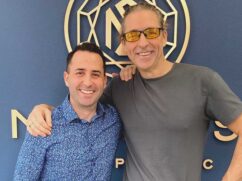
“Dr. Mike improved the mobility of my spine measurably. The whole team is incredibly flexible and helpful to work with. Everything is fast and easy.”

Author, biohacker, and founder of Bulletproof Nutrition

“Dr. Mike and the team at Mōtus are top notch. The adjustments are specific and the analysis is beyond thorough. If you’re in Austin, this is the spot for high-level Chiropractic care.”
– Adrian Grenier
Actor and Film Producer

ABOUT DR. MIKE ISSEKS
Dr. Mike has been a practicing chiropractor for more than 15 years. He is a graduate of California State University at Chico and received his Doctor of Chiropractic degree from Life Chiropractic College West. He specializes in corrective care chiropractic, improving posture, as well as optimizing spinal motion to help uncover the best version of those he serves.
STAY IN THE KNOW
Get cutting-edge health tips, updates, and event notifications...
By entering your email above and clicking “Sign-Up,” you agree to receive occasional emails from Mōtus Chiropractic.

VISIT US
Trio at Menchaca Business Park
Ample free parking in the front lot
HOURS
Monday, Tuesday, Thursday
8:30 am – 12 pm
2:30 pm – 6 pm
Wednesday
12 pm – 5 pm
REACH US
(512) 777-2680
hello@motusatx.com
STAY IN THE KNOW
Get cutting-edge health tips, updates, and event notifications...
By entering your email above and clicking “Sign-Up,” you agree to receive occasional emails from Mōtus Chiropractic.
Copyright 2022, Mōtus Chiropractic. All rights reserved.