
THE MŌTUS BLOG
September 30, 2026
Spinal Decompression vs Chiropractic: Which Works?
A pinched, aching low back can make every decision feel smaller. You stop loading the barbell, cut the run short, avoid the long drive, and wonder whether the next treatment will actually change anything. In the conversation around spinal decompression vs chiropractic, the real question is not which option sounds more advanced. It is which approach matches the source of your symptoms, your structure, and the life you want to get back to.
Many people are offered a quick adjustment, a pain pill, or a generic traction session without a clear explanation of what is happening in their spine. That is not a plan. Lasting progress starts with identifying whether pain is being driven by disc irritation, joint restriction, postural stress, muscle guarding, nerve involvement, poor movement patterns, or a combination of factors.
Spinal Decompression vs Chiropractic: The Core Difference
Non-surgical spinal decompression is a form of mechanical traction. A patient is positioned on a specialized table, and the device applies controlled pulling forces to the spine. The goal is to create changes in pressure around spinal discs, reduce mechanical stress, and potentially give irritated tissues a better environment to recover.
Chiropractic care is broader. While many people associate chiropractic only with adjustments, a thorough chiropractic approach can include spinal and joint assessment, movement testing, posture analysis, corrective adjustments, mobility work, exercise guidance, and lifestyle recommendations. The purpose is not simply to make a sound in the joint. It is to improve alignment, motion, and nervous system function where dysfunction is present.
That difference matters. Decompression is a tool. Chiropractic is a clinical framework that may use adjustments and other interventions to address how the body is functioning as a whole.
Neither approach should be selected from a menu based on a single symptom. If low back pain is rooted primarily in poor hip mobility, a forward-head posture, repetitive desk positioning, or unstable movement mechanics, traction alone may not change the pattern that keeps recreating the problem. On the other hand, when disc-related symptoms are a meaningful part of the picture, decompression may be a useful component of a wider plan.
What Spinal Decompression May Help Address
Spinal decompression is most often discussed for people with symptoms associated with disc stress. That can include low back pain that refers into the glute or leg, neck pain that travels into the shoulder or arm, certain disc bulges or herniations, and pain aggravated by compression, sitting, bending, or lifting.
During a decompression session, gradual and controlled traction is intended to avoid the reflexive muscle tightening that can occur with basic traction. Some patients report reduced pain and greater comfort with movement over a series of visits. Results vary, and the technique is not a universal answer for every diagnosis.
It also has limitations. Decompression does not automatically correct years of postural adaptation, restore weak or underused movement patterns, or address every form of back pain. If a person feels better on the table but returns to the same restrictions and loading habits afterward, relief may be temporary.
Certain conditions require added caution or a different path altogether. Fracture risk, spinal instability, some surgical histories, severe osteoporosis, cancer, infection, pregnancy, or progressive neurological symptoms can change whether traction is appropriate. A qualified provider should screen for these factors before treatment begins.
What Chiropractic Care Is Designed to Address
Effective chiropractic care begins before the adjustment. It asks why one segment is overloaded, why one shoulder sits higher, why your rotation is limited, or why the same headache returns after every demanding week.
A corrective chiropractic plan may address restricted spinal motion, joint irritation, postural distortion, reduced range of motion, muscle imbalance, and altered movement strategies. Adjustments can help restore motion in joints that are not moving well. But the adjustment is not the finish line. The body needs a reason to hold onto better function.
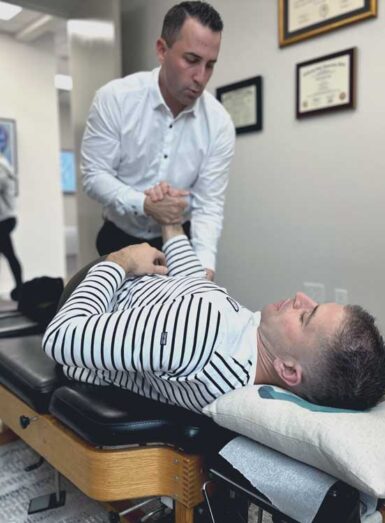
That is where a personalized corrective approach earns its value. A provider may pair chiropractic adjustments with targeted mobility work, strengthening, ergonomic changes, and progress tracking. When appropriate, pre- and post-motion X-ray studies and range-of-motion testing can provide objective information about spinal mechanics rather than relying only on how a patient feels that day.
For an active Austin professional, this can be the difference between chasing pain relief and rebuilding capacity. You may want to deadlift, travel, work long hours, play with your kids, or train for a race without constantly managing your body around discomfort. The goal should be resilient movement, not dependence on a temporary fix.
Adjustments are not the same as a generic treatment plan
Not all chiropractic care is corrective care. A brief, identical adjustment sequence may offer short-term relief for some people, particularly during an acute flare-up. Yet a standardized approach can miss the deeper mechanics behind recurring symptoms.
A higher-level evaluation looks at your individual presentation. It considers where you hurt, but also how you stand, rotate, walk, sit, breathe, train, and compensate. Two people can have pain in the same location while needing very different care.
When Decompression and Chiropractic Work Better Together
The choice is not always spinal decompression versus chiropractic as if one must eliminate the other. In the right case, decompression can support a chiropractic corrective plan.
Consider a person with low back pain, disc-related leg symptoms, limited lumbar motion, and a history of prolonged sitting. Decompression may help calm mechanical irritation and make movement more tolerable. Chiropractic care can then address joint restriction, posture, and the movement deficits that contribute to recurring overload. Rehabilitation and daily habit changes help reinforce the progress outside the office.
This is not a promise that every patient needs both services. Some people are better served by chiropractic care without decompression. Others may need physical therapy, medical evaluation, imaging, co-management, or a referral to a specialist. The strongest providers do not force every problem into one protocol. They assess, explain, and recommend what the findings support.
How to Choose the Right Starting Point
Stop searching for the one treatment that worked for someone else online. Start with a complete assessment. Before committing to a care plan, ask whether the provider will evaluate your range of motion, posture, neurological signs, injury history, work demands, training habits, and functional goals.
You should also understand how progress will be measured. Pain scores are useful, but they are not enough. Can you rotate farther? Sit through a meeting without guarding? Train with better control? Sleep without waking from discomfort? Objective motion testing and clinically appropriate imaging can add clarity when structural questions need answers.
Be direct about what you want. If your goal is to get through the next week with less pain, say so. If your goal is to correct longstanding posture changes and return to high-level performance, say that too. The timeline, tools, and expectations should reflect your actual objective.
Red Flags That Need Medical Attention First
Back and neck pain are common, but certain symptoms should not be managed casually. Seek prompt medical evaluation for new or worsening muscle weakness, loss of bowel or bladder control, numbness in the groin or saddle area, unexplained fever, severe trauma, unexplained weight loss, or pain that is rapidly escalating.
A responsible chiropractor recognizes when care is appropriate and when another level of evaluation is necessary. Root-cause care is not about rejecting conventional medicine. It is about using the right level of care at the right time and refusing to ignore warning signs.
Choose a Plan Built for the Body You Want to Keep
Short-term relief has a place. Sometimes the first win is simply being able to stand upright, sleep comfortably, or get through the workday. But if pain keeps returning, your standard needs to rise.
At Mōtus Chiropractic, the focus is on understanding the mechanical story behind your symptoms through detailed assessment, measurable findings, and a plan built around your goals. Whether decompression belongs in that plan depends on your body, not a sales script.
Your spine carries the demands of your ambition every day. Give it more than a temporary workaround. Choose care that helps you move with confidence, train with intention, and stay fully present for the life you are building.
Mōtus Chiropractic is a top-rated chiropractor located in Austin, TX. Dr. Mike Isseks offers more than 15 years experience helping his patients alleviate pain and Move Consciously. To schedule a visit, click here.
RECLAIM YOUR LIFE
Rebuild your body and reduce your pain with our progressive technology, proven alternative methods of care, and integrative chiropractic experience.
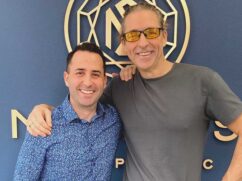
“Dr. Mike improved the mobility of my spine measurably. The whole team is incredibly flexible and helpful to work with. Everything is fast and easy.”

Author, biohacker, and founder of Bulletproof Nutrition

“Dr. Mike and the team at Mōtus are top notch. The adjustments are specific and the analysis is beyond thorough. If you’re in Austin, this is the spot for high-level Chiropractic care.”
– Adrian Grenier
Actor and Film Producer

ABOUT DR. MIKE ISSEKS
Dr. Mike has been a practicing chiropractor for more than 15 years. He is a graduate of California State University at Chico and received his Doctor of Chiropractic degree from Life Chiropractic College West. He specializes in corrective care chiropractic, improving posture, as well as optimizing spinal motion to help uncover the best version of those he serves.
STAY IN THE KNOW
Get cutting-edge health tips, updates, and event notifications...
By entering your email above and clicking “Sign-Up,” you agree to receive occasional emails from Mōtus Chiropractic.

VISIT US
Trio at Menchaca Business Park
Ample free parking in the front lot
HOURS
Monday, Tuesday, Thursday
8:30 am – 12 pm
2:30 pm – 6 pm
Wednesday
12 pm – 5 pm
REACH US
(512) 777-2680
hello@motusatx.com
STAY IN THE KNOW
Get cutting-edge health tips, updates, and event notifications...
By entering your email above and clicking “Sign-Up,” you agree to receive occasional emails from Mōtus Chiropractic.
Copyright 2022, Mōtus Chiropractic. All rights reserved.