
THE MŌTUS BLOG
August 25, 2026
Neck Pain – Back Pain Relief: Ice or Heat?
That tight, burning pull at the base of your neck can make a workout, workday, or even a night of sleep feel like a compromise. If you searched for neck pain - back pain relief, you want something that helps now. A cold or hot pack can absolutely reduce discomfort, but it is a recovery tool, not a corrective strategy.
The real question is not simply, “Should I use ice or heat?” It is, “What is driving my neck to flare up in the first place?” When neck pain keeps returning, the answer is often tied to spinal motion, posture, muscle compensation, and the demands you place on your body every day.
Neck Pain - Back Pain Relief: Choose Ice or Heat Intentionally
Use a cold pack when your neck pain feels fresh, sharp, inflamed, or aggravated after a specific event. Maybe you slept in an awkward position, took a hard fall during training, spent hours looking down at your phone, or woke up with a sudden spasm. Cold can help calm the area and reduce the intensity of a short-term flare.
Wrap the pack in a thin towel and apply it for about 10 to 15 minutes at a time. Do not place ice directly on your skin, and do not fall asleep with a cold pack on your neck. More is not better if it leaves your skin numb, painful, or irritated.
Heat tends to be more useful when your neck feels chronically stiff, guarded, and restricted rather than newly irritated - essentially 48 hours after an acute flare-up. A warm pack can help muscles relax before gentle movement, mobility work, or a corrective exercise session. It may feel especially good after a long day at a desk or a drive across Austin traffic.
Apply comfortable, moderate heat for 15 to 20 minutes. Skip heat if the area is visibly swollen, hot to the touch, or acutely inflamed. Heat can feel soothing while still being the wrong move for a fresh injury.
What an Ice/Heat Pack Cannot Fix
Applying a remedy like this can change symptoms. It cannot restore motion to a restricted spinal segment, retrain a forward-head posture, or correct the movement pattern that keeps overloading your neck and shoulders.
That distinction matters. Many high-performing adults normalize recurring neck tension because they can manage it with ice, heat, massage, or an over-the-counter medication. They keep training, keep working, and keep pushing through. Then headaches become more frequent, shoulder mobility decreases, sleep suffers, or turning the head while driving becomes noticeably limited.
Pain is feedback, not a character flaw to ignore. If you need a pack several times a week, wake with the same stiffness repeatedly, or feel like your neck is always one stressful day away from locking up, stop settling for temporary relief.
Pair Relief With Better Movement
Once acute pain begins to settle, gentle movement is usually more productive than holding your neck perfectly still for days. Avoid forcing stretches through sharp pain or aggressively rolling directly over the front or side of the neck. Instead, use easy, controlled motion: slow head turns within a comfortable range, shoulder blade squeezes, and brief walking breaks away from your screen.
Your workstation also deserves an honest assessment. A laptop positioned too low, a chair that encourages slumping, or hours spent craning toward a second monitor can create a daily dose of structural stress. The goal is not rigid “perfect posture” every minute. The goal is better alignment, frequent position changes, and a body capable of moving well under real-life demands.
For athletes and active adults, examine what happens outside the gym too. Heavy pulling, overhead training, cycling posture, and contact sports can all expose mobility limitations that a sedentary routine may hide. The answer is rarely to stop moving altogether. It is to identify where motion is limited and build capacity with a plan that fits your body.
When Neck Pain Needs a Real Assessment
Seek urgent medical care for neck pain after significant trauma, or if it comes with severe headache, fever, new weakness, numbness or tingling in an arm or leg, loss of balance, trouble speaking, vision changes, or changes in bowel or bladder control. Those signs do not belong in a DIY ice-or-heat routine (or in a chiropractic clinic immediately).
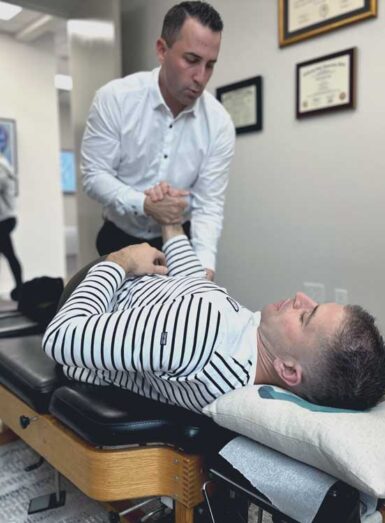
For persistent or recurring pain without those red flags, a thorough evaluation can reveal far more than a quick symptom check. At Mōtus Chiropractic, corrective care begins by looking at how your spine actually moves, where compensation is occurring, and whether posture or structural dysfunction is contributing to the problem. Objective range-of-motion testing and, when clinically appropriate, motion X-ray analysis help create a measurable baseline instead of guessing.
A neck pain pack has a place in your recovery. Use it to get comfortable enough to move, rest, and think clearly. Then give your body the attention it deserves: find the pattern, correct the dysfunction, and build a neck that supports the life you intend to live.
Mōtus Chiropractic is a top-rated chiropractor located in Austin, TX. Dr. Mike Isseks offers more than 15 years experience helping his patients alleviate pain and Move Consciously. To schedule a visit, click here.
RECLAIM YOUR LIFE
Rebuild your body and reduce your pain with our progressive technology, proven alternative methods of care, and integrative chiropractic experience.

“Dr. Mike improved the mobility of my spine measurably. The whole team is incredibly flexible and helpful to work with. Everything is fast and easy.”

Author, biohacker, and founder of Bulletproof Nutrition

“Dr. Mike and the team at Mōtus are top notch. The adjustments are specific and the analysis is beyond thorough. If you’re in Austin, this is the spot for high-level Chiropractic care.”
– Adrian Grenier
Actor and Film Producer

ABOUT DR. MIKE ISSEKS
Dr. Mike has been a practicing chiropractor for more than 15 years. He is a graduate of California State University at Chico and received his Doctor of Chiropractic degree from Life Chiropractic College West. He specializes in corrective care chiropractic, improving posture, as well as optimizing spinal motion to help uncover the best version of those he serves.
STAY IN THE KNOW
Get cutting-edge health tips, updates, and event notifications...
By entering your email above and clicking “Sign-Up,” you agree to receive occasional emails from Mōtus Chiropractic.

VISIT US
Trio at Menchaca Business Park
Ample free parking in the front lot
HOURS
Monday, Tuesday, Thursday
8:30 am – 12 pm
2:30 pm – 6 pm
Wednesday
12 pm – 5 pm
REACH US
(512) 777-2680
hello@motusatx.com
STAY IN THE KNOW
Get cutting-edge health tips, updates, and event notifications...
By entering your email above and clicking “Sign-Up,” you agree to receive occasional emails from Mōtus Chiropractic.
Copyright 2022, Mōtus Chiropractic. All rights reserved.