
THE MŌTUS BLOG
August 24, 2026
Animal-Based Diets vs. Vegetarian vs. Vegan
Food will not correct a spinal misalignment or replace a personalized corrective-care plan, though the way you eat can influence the raw materials your body has for training, tissue repair, energy, sleep, and long-term health. When comparing Animal based diets vs. vegetarian vs. vegan, the goal is not to join a tribe. While there many be an ethical component to one's decision, the goal is to choose a pattern you can execute consistently while supporting the life and movement you demand from your body.
Quality Fuel Requirement: The Real Difference
An animal-based diet is a broad label. For some people, it means meals built around meat, eggs, dairy, and fruit. For others, it means a near-carnivore approach with very little plant food. Vegetarian diets remove meat and seafood but may include eggs and dairy. Vegan diets exclude all animal-derived foods.
These are not automatically healthy or unhealthy categories. A vegan diet built on soda, chips, and refined grains is not a performance plan. Neither is an animal-based diet that lacks fermented vegetables and relies heavily on processed meat. The quality, variety, total intake, and consistency of the diet matter as much as the label.
For active adults, the smarter question is: can this way of eating reliably provide enough protein, calories, fiber, micronutrients, and enjoyment to support your training and recovery?
Protein and Recovery: Where Most Active People Miss the Mark
Protein is the most obvious divider because animal foods tend to deliver complete protein in a compact, highly digestible form. Eggs, Greek yogurt, fish, poultry, and meat provide all essential amino acids, including leucine, which helps stimulate muscle protein synthesis. That can make an animal-inclusive approach convenient for people lifting, running, rehabbing an injury, or simply trying to maintain lean muscle during a demanding workweek.
Vegetarians can meet protein needs effectively with eggs, dairy, tofu, tempeh, beans, lentils, and protein powders. Vegans can do the same, but they need more intention. Plant proteins vary in amino acid content and digestibility, so a vegan athlete may benefit from larger servings and varied sources across the day, such as soy, legumes, seitan, lentils, grains, nuts, and a quality plant protein powder.
This is not an argument that everyone needs steak at every meal. It is an argument against under-fueling. If you are constantly sore, losing strength, struggling to recover, or hitting an afternoon energy wall, your total protein and calorie intake deserve an honest look.
Micronutrients Are Where Trade-Offs Show Up
Every dietary pattern has nutritional blind spots. Animal-based eaters often get ample B12, iron, zinc, creatine, and omega-3 fats from seafood and animal foods. Yet a restrictive animal-heavy plan can come up short on vitamin C, potassium, magnesium, and the broad range of phytonutrients found in colorful plants.
Vegetarian and vegan eaters frequently consume more fiber, legumes, fruits, vegetables, and plant compounds. That can support digestive health and cardiometabolic markers. The trade-off is that several nutrients require more attention, especially vitamin B12 for vegans, plus iron, iodine, calcium, vitamin D, zinc, omega-3 fats, and sometimes protein.
B12 is not optional on a vegan diet. It must come from fortified foods or a supplement. Iron also deserves attention for menstruating adults, endurance athletes, and anyone dealing with fatigue. A blood test interpreted by a qualified clinician can provide more useful direction than guessing based on social media symptoms.
The Best Diet Is One You Can Sustain Under Pressure
Your eating pattern has to work on your busiest Tuesday, not just during a perfectly organized Sunday meal prep session. A highly restrictive diet may create short-term momentum, but it can become a liability if it creates anxiety around food, isolates you socially, drains your training performance, or is impossible to maintain while traveling.
For many high-performing adults, a flexible, whole-food approach works best: prioritize protein at meals, eat a meaningful volume of plants, include quality carbohydrate sources that match your activity level, and limit ultra-processed foods that crowd out real nourishment. That may be fully vegan, vegetarian, animal-based, or something in between.
If you choose an animal-based pattern, do not treat vegetables, fruit, legumes, and fiber as enemies by default (our go-to are fermented vegetables like sauerkraut or other pickled vegetables. If you choose vegetarian or vegan eating, do not assume “plant-based” automatically means adequately fueled. Stop settling for labels as a substitute for self-awareness.
Match Your Diet to Your Body and Your Goals
Nutrition should support your ability to move well, train hard, think clearly, and stay resilient. Persistent digestive symptoms, fatigue, recurring injuries, unexplained weakness, or poor recovery are signals to investigate, not inconveniences to normalize. Your dietary needs may also change with training volume, stress, sleep quality, age, medical history, and body-composition goals.
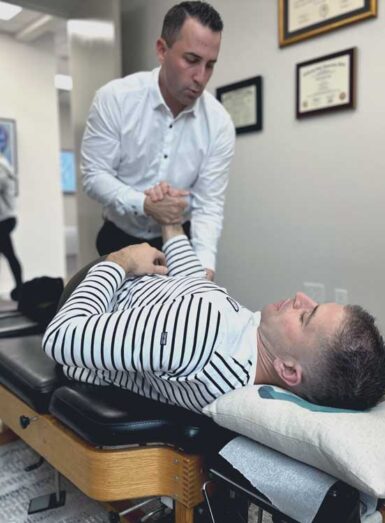
At Mōtus Chiropractic, corrective care focuses on measurable movement and structural function because the body performs better when you address root causes. Bring that same standard to your nutrition: track what actually improves your energy, strength, recovery, and consistency. The right plan is not the loudest one. It is the one that helps you show up fully for your life.
Mōtus Chiropractic is a top-rated chiropractor located in Austin, TX. Dr. Mike Isseks offers more than 15 years experience helping his patients alleviate pain and Move Consciously. To schedule a visit, click here.
RECLAIM YOUR LIFE
Rebuild your body and reduce your pain with our progressive technology, proven alternative methods of care, and integrative chiropractic experience.
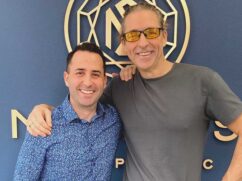
“Dr. Mike improved the mobility of my spine measurably. The whole team is incredibly flexible and helpful to work with. Everything is fast and easy.”

Author, biohacker, and founder of Bulletproof Nutrition

“Dr. Mike and the team at Mōtus are top notch. The adjustments are specific and the analysis is beyond thorough. If you’re in Austin, this is the spot for high-level Chiropractic care.”
– Adrian Grenier
Actor and Film Producer

ABOUT DR. MIKE ISSEKS
Dr. Mike has been a practicing chiropractor for more than 15 years. He is a graduate of California State University at Chico and received his Doctor of Chiropractic degree from Life Chiropractic College West. He specializes in corrective care chiropractic, improving posture, as well as optimizing spinal motion to help uncover the best version of those he serves.
STAY IN THE KNOW
Get cutting-edge health tips, updates, and event notifications...
By entering your email above and clicking “Sign-Up,” you agree to receive occasional emails from Mōtus Chiropractic.
VISIT US
Trio at Menchaca Business Park
Ample free parking in the front lot
HOURS
Monday, Tuesday, Thursday
8:30 am – 12 pm
2:30 pm – 6 pm
Wednesday
12 pm – 5 pm
REACH US
(512) 777-2680
hello@motusatx.com
STAY IN THE KNOW
Get cutting-edge health tips, updates, and event notifications...
By entering your email above and clicking “Sign-Up,” you agree to receive occasional emails from Mōtus Chiropractic.
Copyright 2022, Mōtus Chiropractic. All rights reserved.